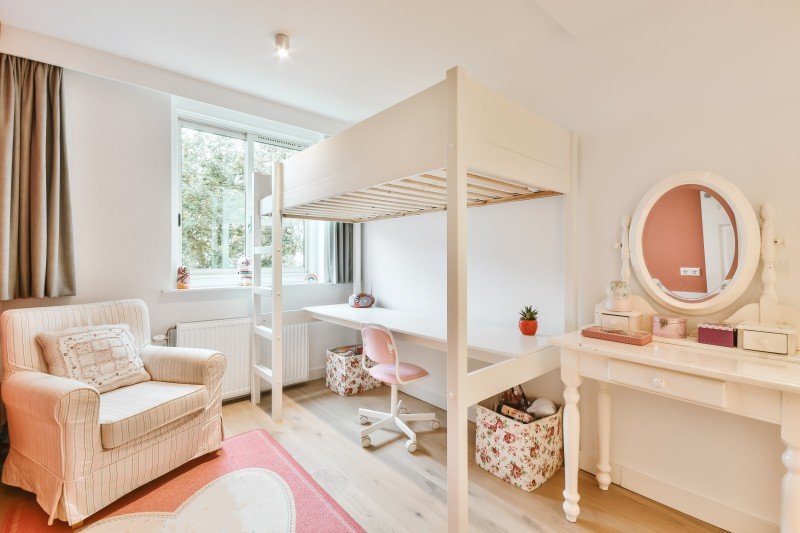
Kids Bunk Beds Strategies From The Top In The Industry
The Ultimate Guide to Kids Bunk Beds: Safety, Styles, and Selection
Kids' bunk beds are a useful and popular option for optimizing space in kids's spaces. Not just do they provide sleeping plans for brother or sisters or pajama party guests, but they can also act as an enjoyable and creative home for young travelers. This article checks out the types, benefits, safety factors to consider, and selection tips for kids' bunk beds while responding to some frequently asked questions.
What Are Kids Bunk Beds?
Kids' bunk beds can be found in different designs, styles, and products. Usually, they include 2 or more beds stacked vertically, which can save space and permit for more space for play. With various setups, consisting of L-shaped, lofted beds with desks beneath, and convertible models that can separate into single beds, moms and dads have sufficient options to pick from.
Bunk Bed Type
Description
Conventional Bunk Beds
2 beds stacked one on top of the other.
Loft Beds
One raised bed with space beneath for play or a desk.
Triple Bunk Beds
3 beds stacked vertically or set up in an L-shape.
Futon Bunk Beds
A bed on top with a fold-out couch or futon below.
L-shaped Bunk Beds
Beds organized in an L-shape, supplying additional space.
Advantages of Kids Bunk Beds
Purchasing a bunk bed for children includes various advantages:
Space Saving
- Efficient Use of Space: Bunk beds stack vertically, reducing the footprint in a room.
- Additional Play Area: The space below can be utilized for additional activities or storage.
Cost-efficient
- Dual Functionality: A bunk bed can serve the purpose of two different beds without needing double the flooring space.
- Long-term Use: Many models are convertible or can transition into separate beds as children grow.
Fun and Imagination
- Adventurous Appeal: Kids are typically drawn to the concept of going up to their beds, adding a fun aspect to bedtime.
- Themed Options: Many bunk beds can be found in different styles, like castles or pirate ships, promoting imaginative play.
Safety Considerations
While bunk beds offer different benefits, safety is a main issue for parents. Here are some safety pointers to remember:
- Guardrails: Ensure the top bunk has durable guardrails on both sides to avoid falls.
- Height Limitations: Check if the bed's height appropriates for your kid's age. Usually, Bunk Beds For Teens dextergryder.top are not advised for children under 6.
- Weight Limits: Respect the manufacturer's guidelines for weight limits to prevent structural problems.
- Strong Ladders: Inspect the ladder for stability and ensure it is accessible for kids to utilize safely.
- Routine Checks: Periodically look for loose screws or structural integrity problems.
Selecting the Right Bunk Bed
When selecting a bunk bed for children, think about these crucial aspects:
Material
- Wood: Offers conventional resilience and visual appeal.
- Metal: Lightweight and often readily available in modern-day styles.
- Composite: Cost-effective, these products can be durable but might have restrictions on durability.
Style
- Style: From classic to modern, select a design that fits your child's space decoration.
- Performance: Consider whether extra features like storage, desks, or futons are needed.
Size
- Room Dimensions: Ensure the bunk bed fits conveniently in the space, leaving space for other furniture.
- Bed mattress Size: Standard sizes (twin, complete) determine the option of bed mattress and bedding.
Assembly
- Relieve of Setup: Some models need more complicated assembly; consider future relocations.
- Guideline Quality: Look for beds with clear instructions for problem-free setup.
Budget plan
- Cost: Review your spending plan, keeping in mind that better materials and extra functions might raise expenses.
FAQs About Kids Bunk Beds
Q: At what age can my child safely sleep in a top bunk?
A: It is generally suggested that children be at least 6 years old before sleeping in the top bunk due to height and security concerns.
Q: Can I convert a bunk bed into different beds?
A: Many bunk beds are created to be convertible, allowing you to separate them into individual beds as kids grow.
Q: How do I guarantee my child's security on a bunk bed?
A: Always utilize guardrails, frequently inspect structural integrity, and make sure that the bed is properly sized for their age.
Q: What accessories do I require for a bunk bed?
A: Consider guardrails, a tough bed mattress, decorative bed linen, and storage solutions for toys or clothing.
Q: Do bunk beds need special bed mattress?
A: It's a good idea to utilize a mattress that fits snugly within the bed frame— prevent large mattresses that might compromise safety.
Kids' bunk beds work as a practical and enjoyable sleeping option that can boost any child's bed room. By understanding the advantages, safety factors to consider, and selection tips, parents can make informed choices that accommodate their children's requirements. With the best option, a bunk bed can become a treasured part of childhood— imparting enjoyable, experience, and memories for years to come.